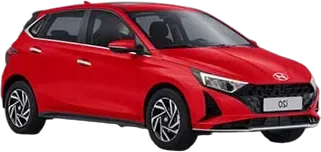
The Hyundai i20 specifications reward a close read, because the plain petrol and the turbo N Line behave quite differently. The 1.2 litre Kappa makes 82 bhp with the five-speed manual and 87 bhp with the IVT. Both send drive to the front wheels through a light, easy clutch or a smooth automatic.
The N Line uses a 1.0 litre turbo good for 118 bhp and 172 Nm of pull. It pairs with a six-speed manual or a seven-speed DCT for quick shifts. That gives the range a genuinely sporty option above the calm daily cars. You can line up the two i20 engines side by side to weigh them.
On fuel, the 1.2 litre manual reads 16 kmpl on the ARAI test. The IVT does better at 20 kmpl, and the turbo also reads 20 kmpl. Real numbers dip below these in heavy traffic and with the air conditioning running. To dig into this, compare i20 petrol and turbo economy before choosing.
Dimensions keep the i20 easy to park yet roomy inside for its class. It stretches 3995 mm long on a 2580 mm wheelbase, with a 311 litre boot. Five sit in comfort, and the 37 litre tank suits long runs. The low, wide stance is part of why it feels planted on the highway at speed.
Safety kit runs to six airbags, ABS with EBD and a rear camera higher up the range. A large touchscreen and connected features sit on the top trims. Read the numbers together and the appeal is clear. Then check the i20 price in your city to plan the spend.