
Maruti Suzuki Cars in India
Maruti Suzuki is India's biggest car brand, known for low running costs, easy service and strong resale. See Maruti Suzuki prices, mileage and owner reviews for every model.
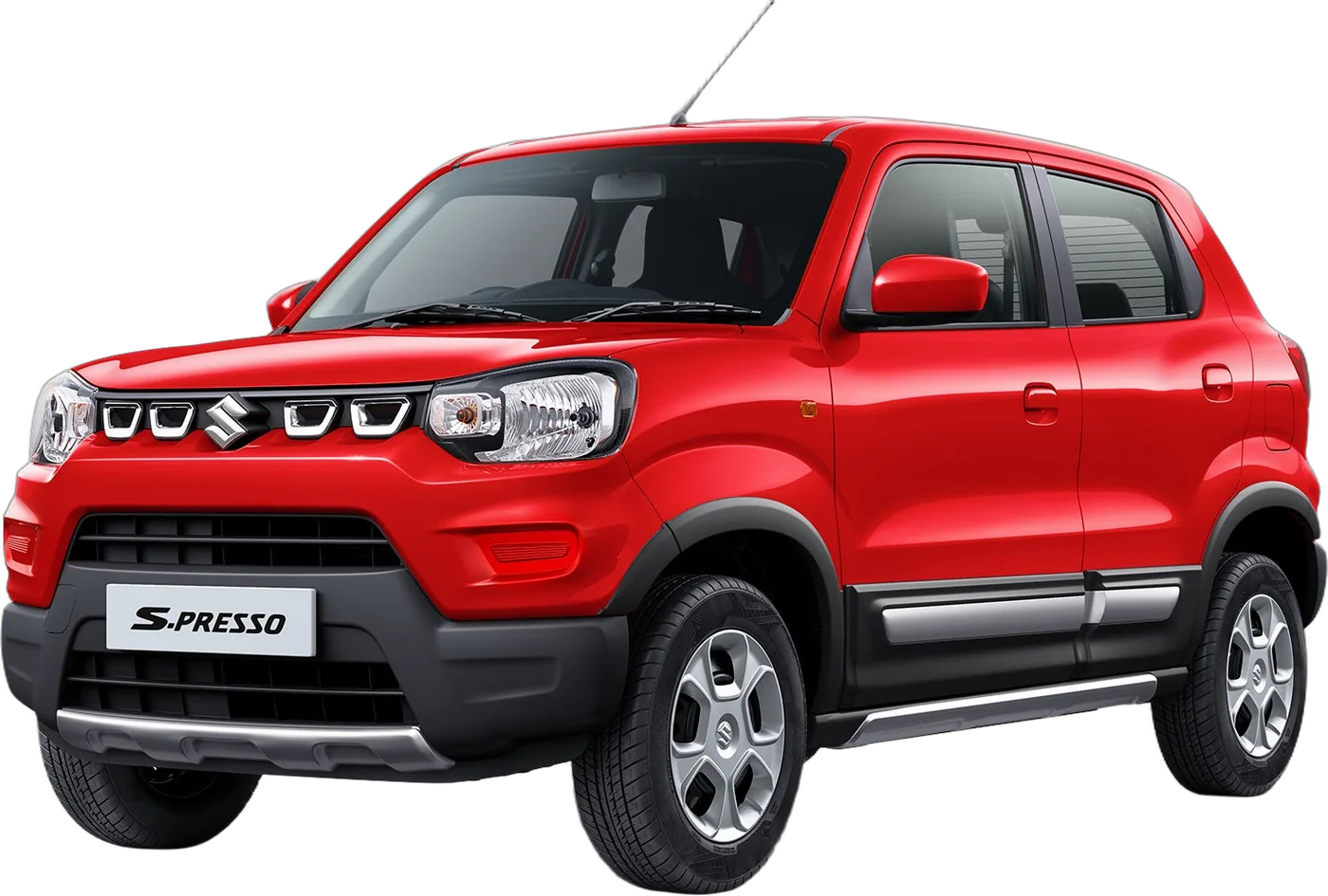
Maruti Suzuki S-Presso
₹3.50 Lakh onwards
No brand moves more metal in this country than Maruti Suzuki. It runs the largest sales and service network in India, which is the real reason so many first-time buyers start here. Roughly two of every five new cars sold in the country still wear the Maruti badge. The company sells 16 models today, and the range leans hatchback and SUV, with three MUVs and a single sedan rounding it out.
People pick Maruti Suzuki cars in India for boring, sensible reasons. Service is cheap, spares turn up in every town, and resale value stays strong years later. Fuel bills stay low too, since most petrol and CNG engines are tuned for economy over outright power. For anyone doing a long daily commute, that low cost per kilometre is hard to argue with.
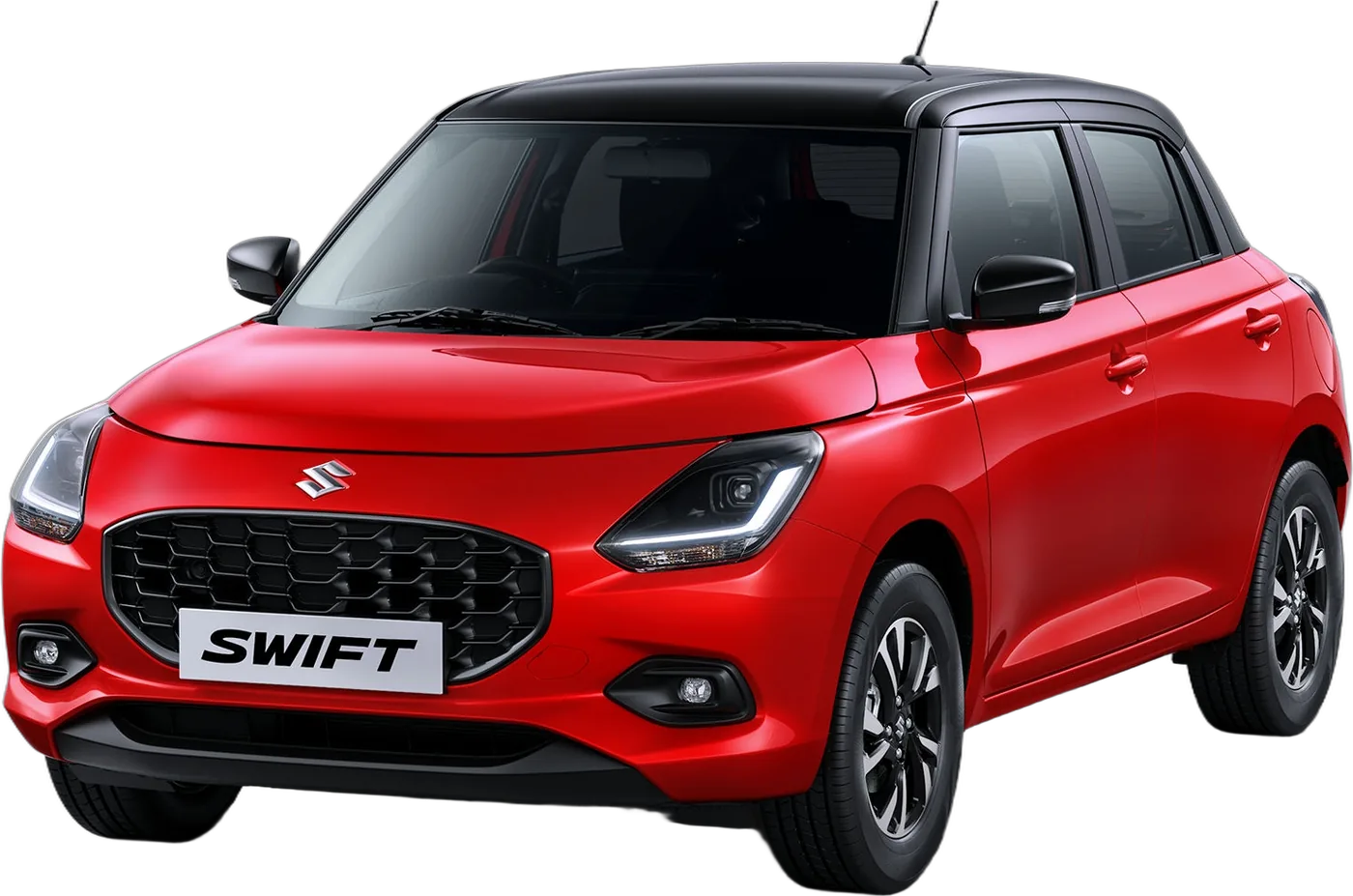
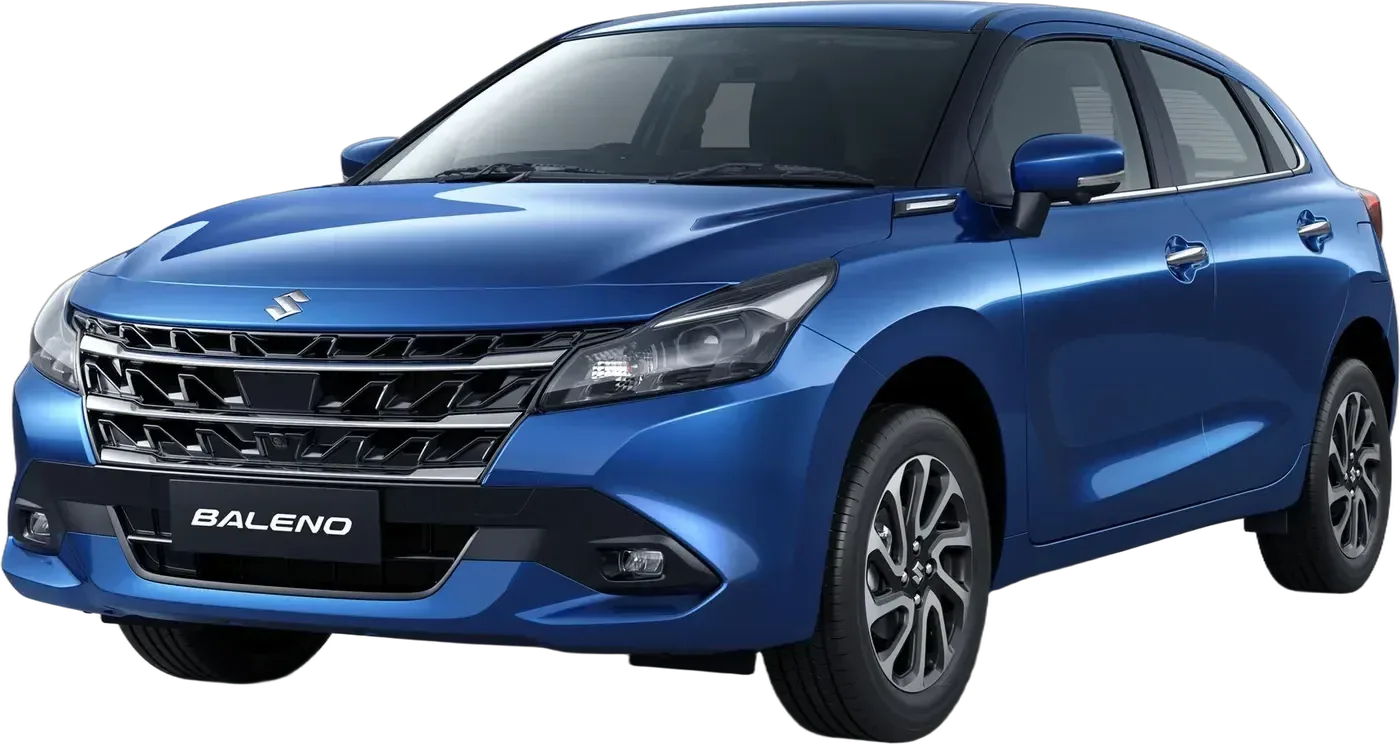
Prices run from about Rs 3.50 lakh for the entry Maruti Suzuki S-Presso to roughly Rs 28.70 lakh at the very top. The Maruti Swift on-road price keeps it the default choice for a first car. The Baleno and Fronx cover buyers who want a bit more polish without a big jump.
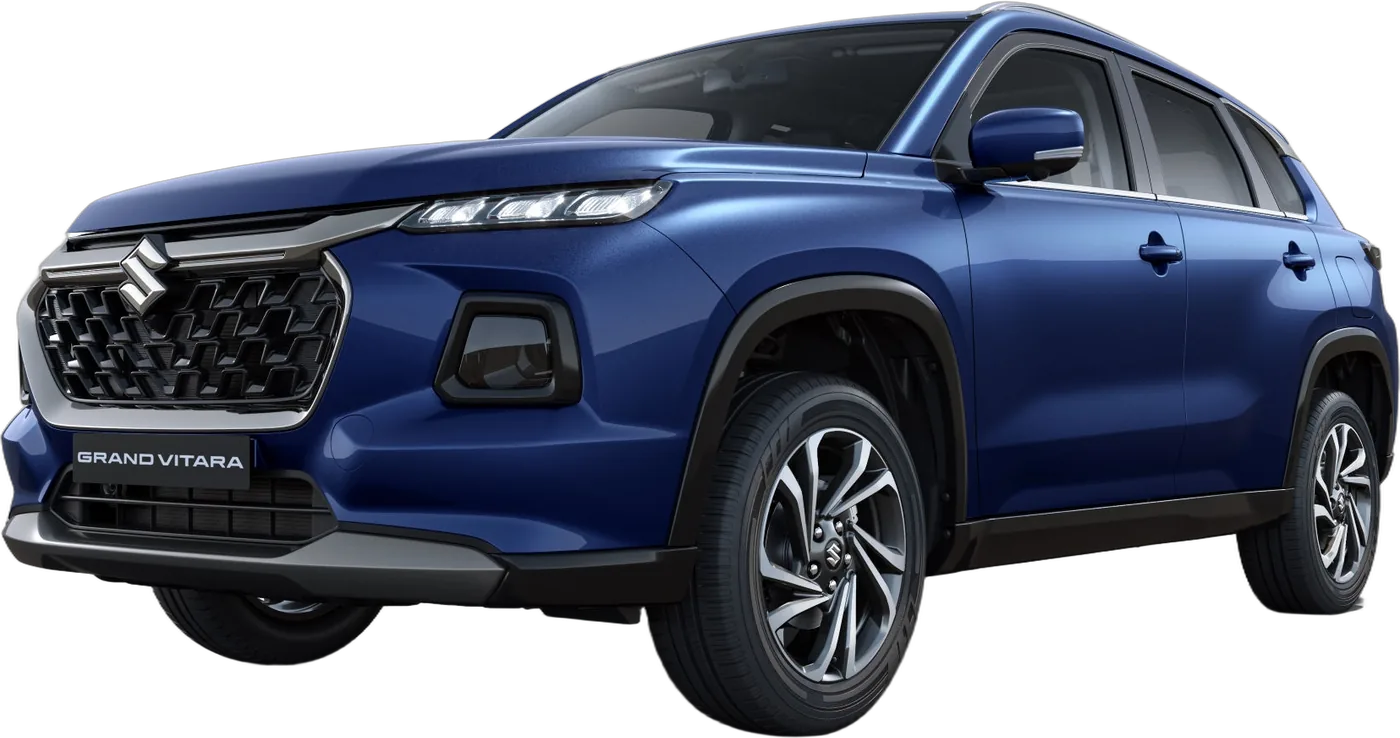
At the SUV end, the Grand Vitara mileage figures and its strong-hybrid option are the real pitch against a Hyundai Creta. The seven-seat Maruti Invicto MPV sits right at the top for families who want space and badge value. What you give up across the range is driving feel, since some rivals feel more solid on the highway.
Popular Maruti Suzuki cars
Browse Maruti Suzuki by category
Maruti Suzuki SUVs
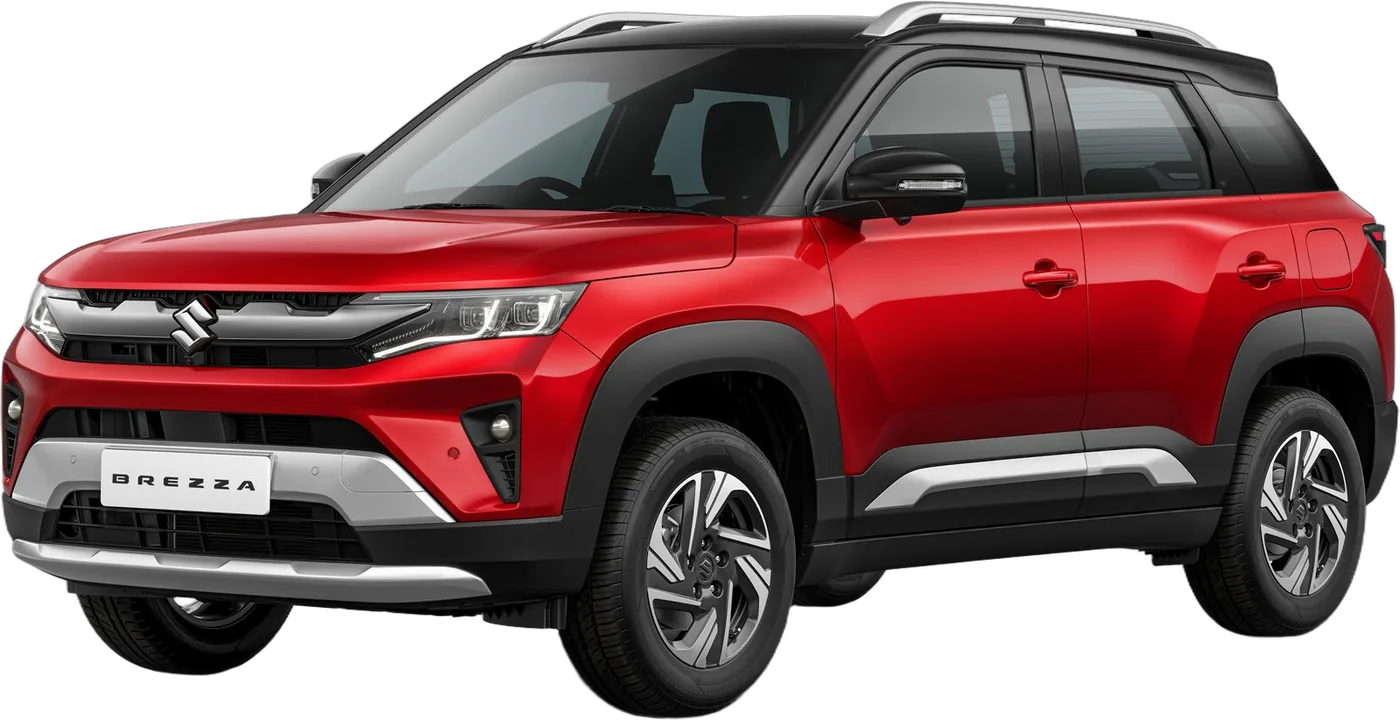
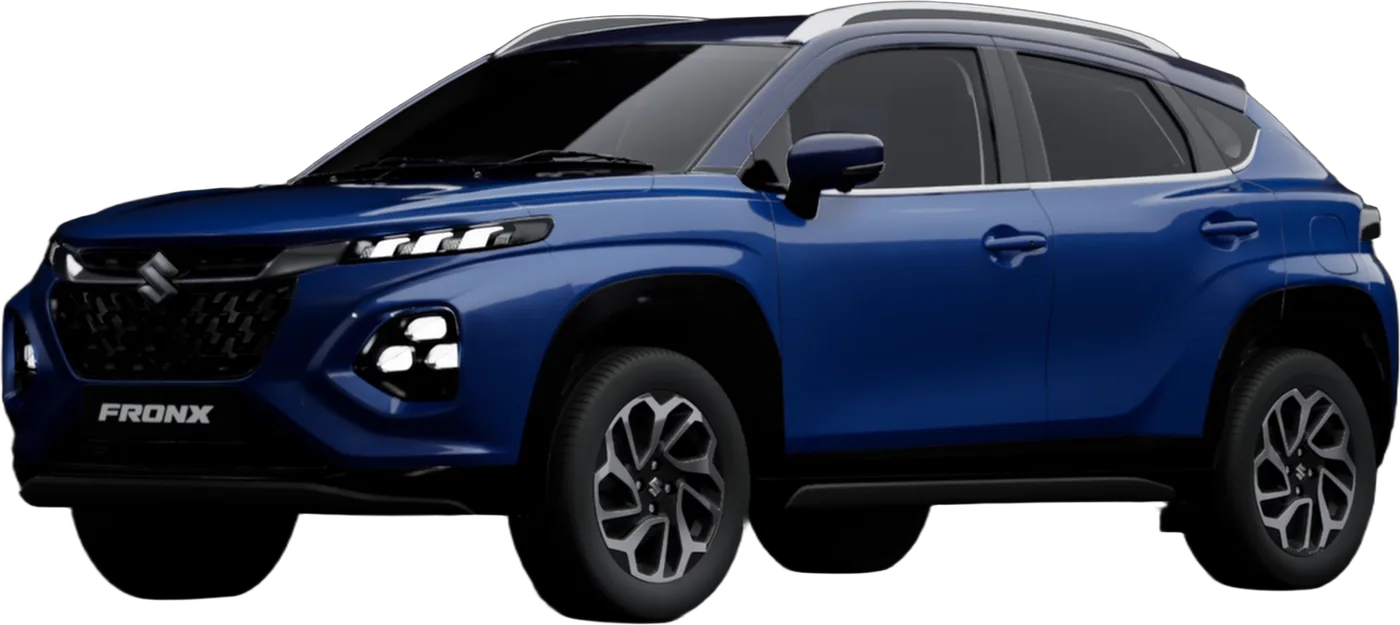
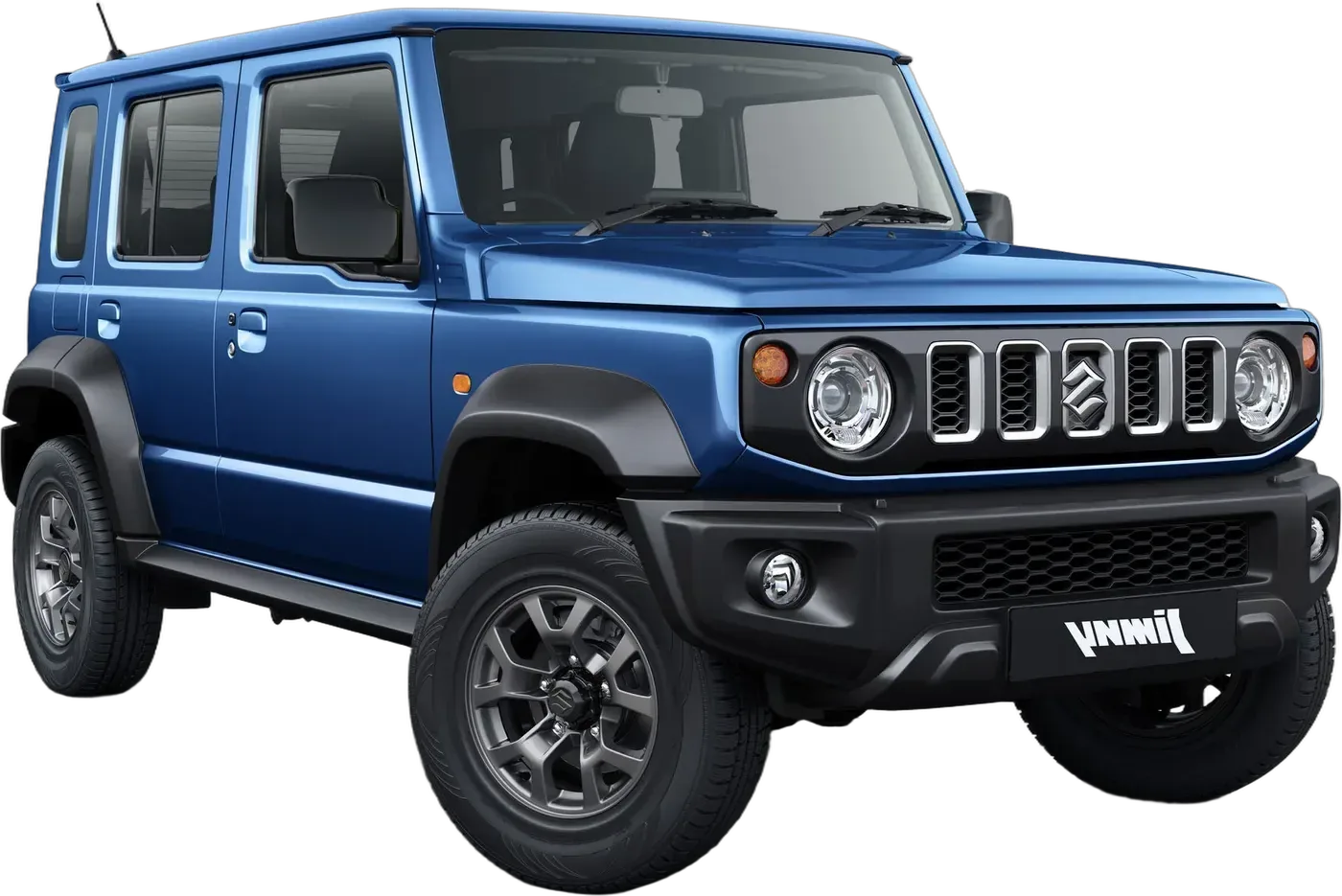
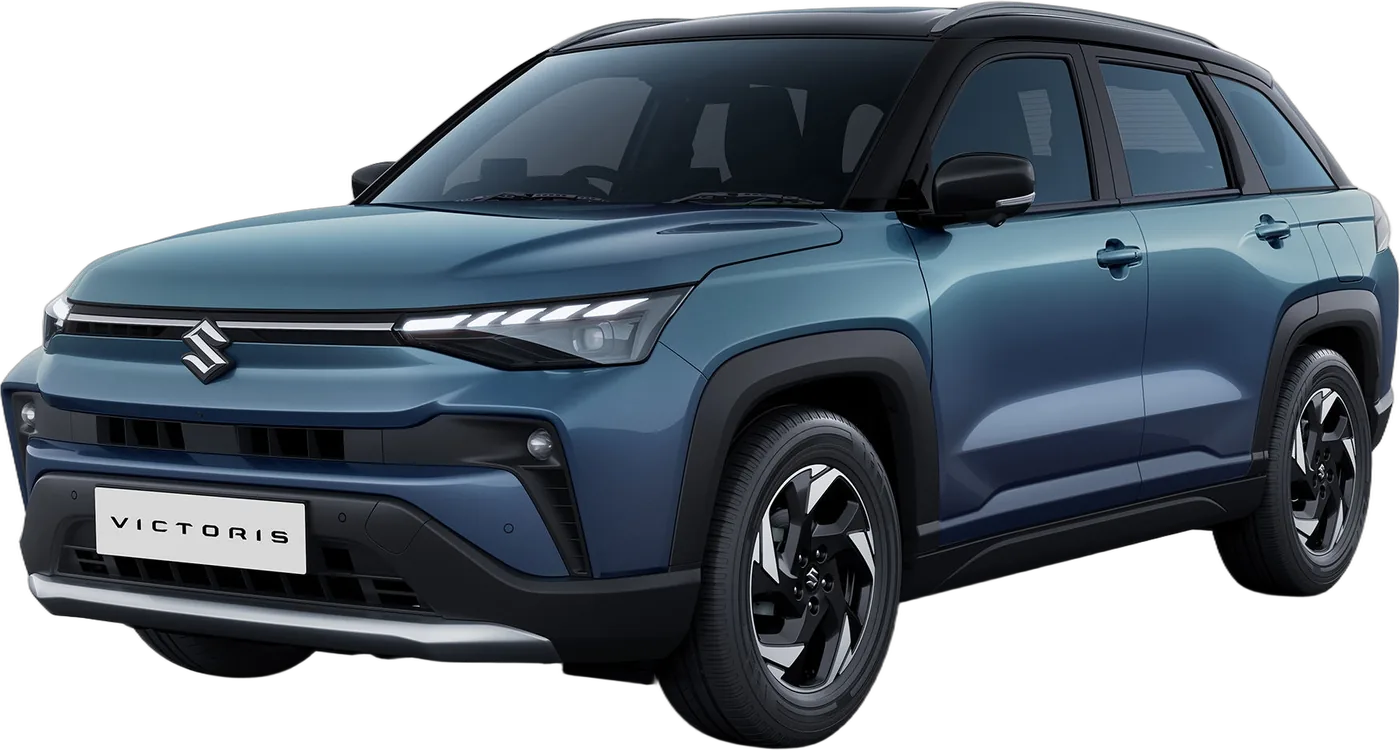
Maruti Suzuki's SUV range runs from the compact Fronx and Brezza to the strong-hybrid Grand Vitara and the newer Victoris. The Jimny adds a proper off-road option with four wheel drive. This is the brand's fastest-growing space, built around low running costs and easy service. Compare their prices and mileage below, or read what owners say.
Maruti Suzuki Hatchbacks
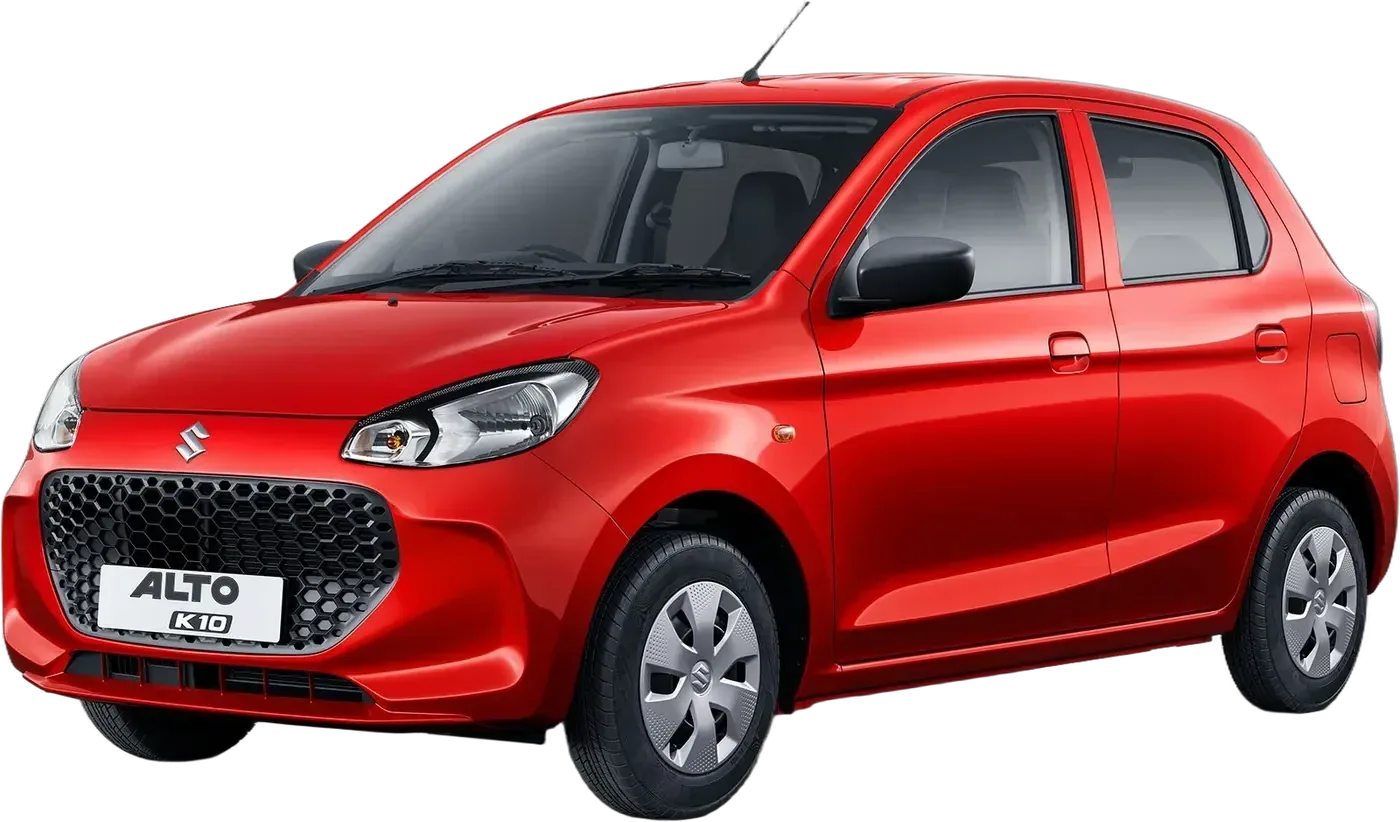
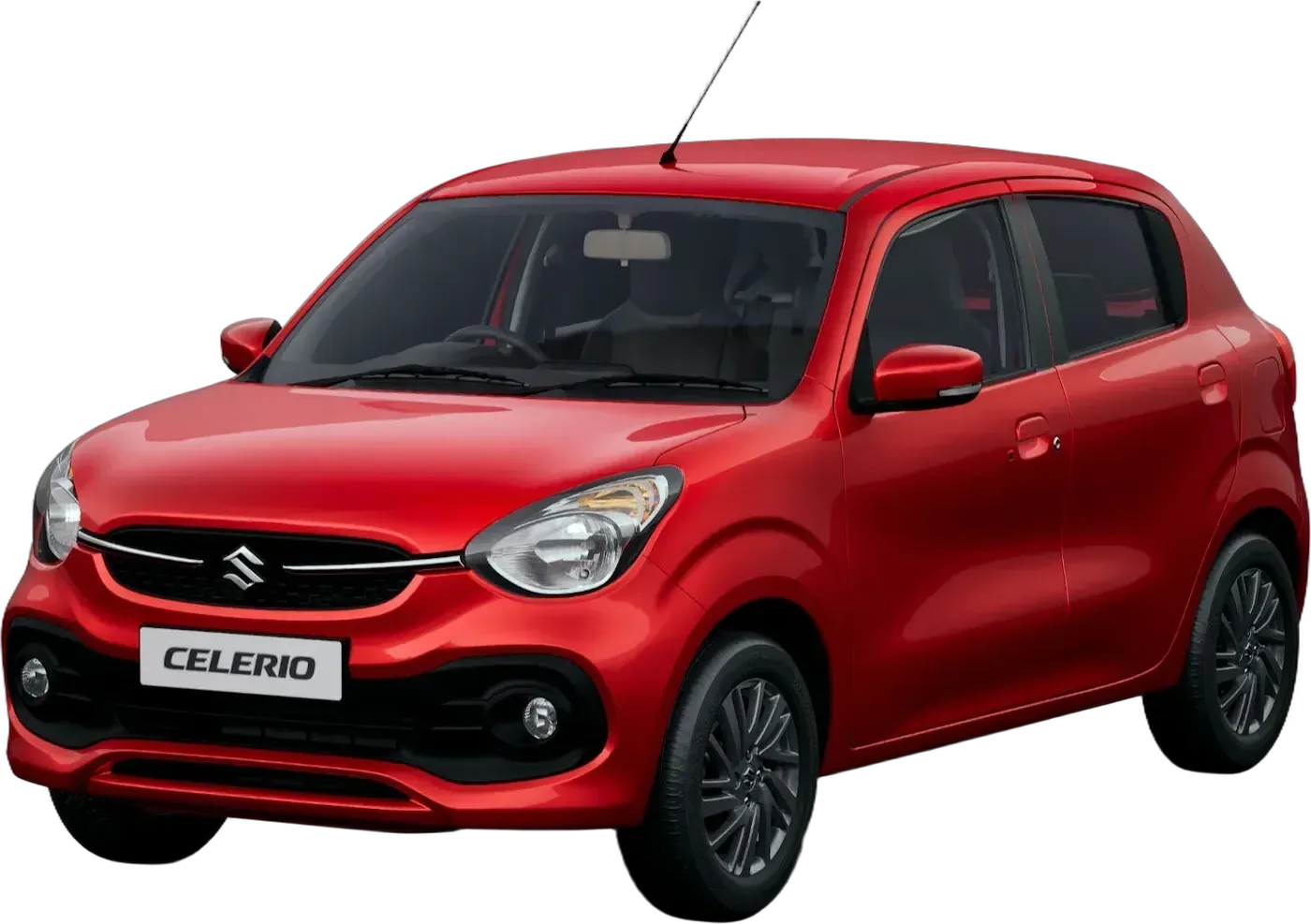
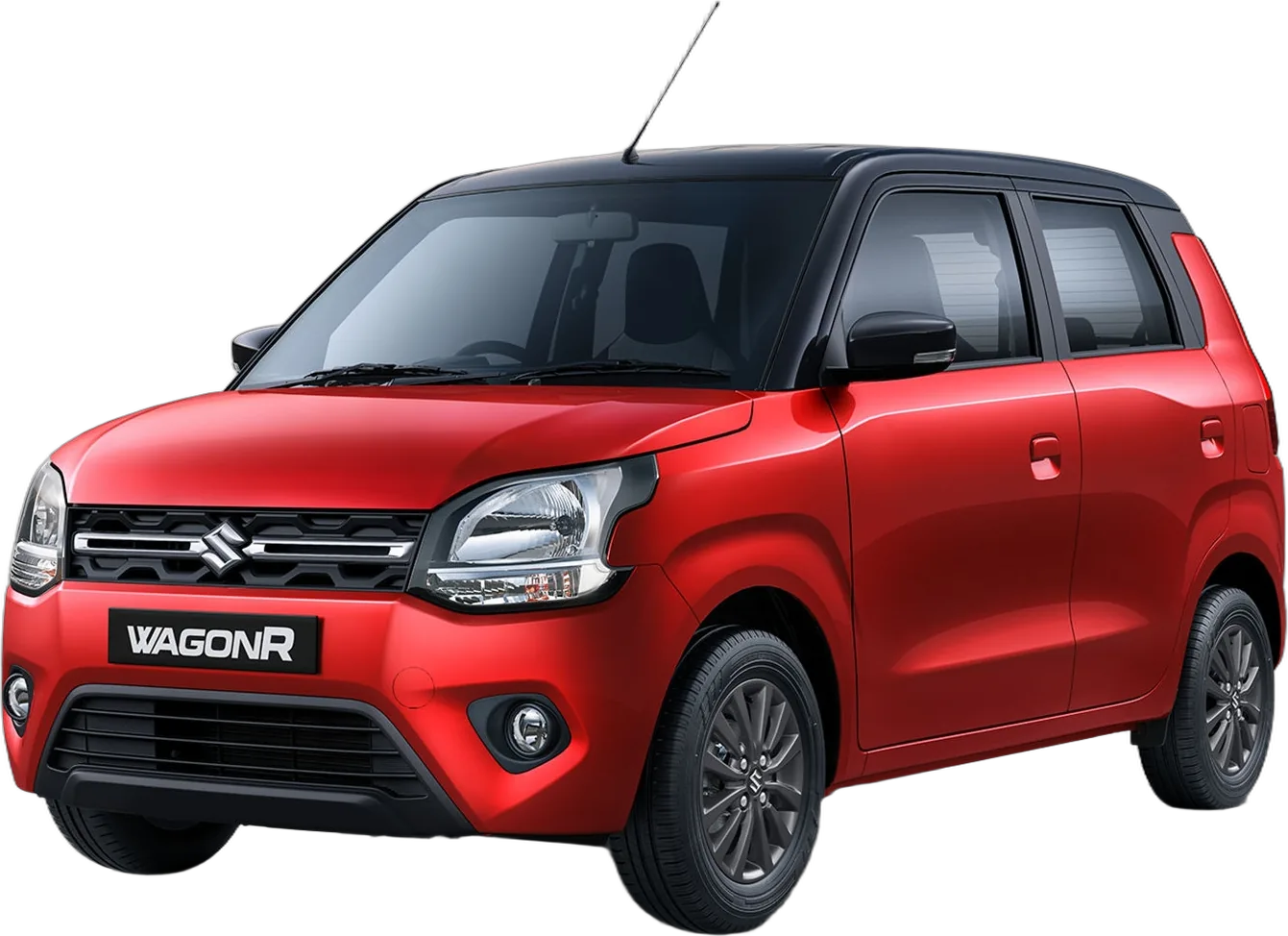
Hatchbacks are the heart of Maruti Suzuki. The range opens with the entry Alto K10 and S-Presso, moves through the tall-boy WagonR and frugal Celerio, and tops out with the sporty Swift and premium Baleno. Most are offered with petrol and factory CNG. Compare them below and read genuine owner reviews before you pick one.
Maruti Suzuki Sedans
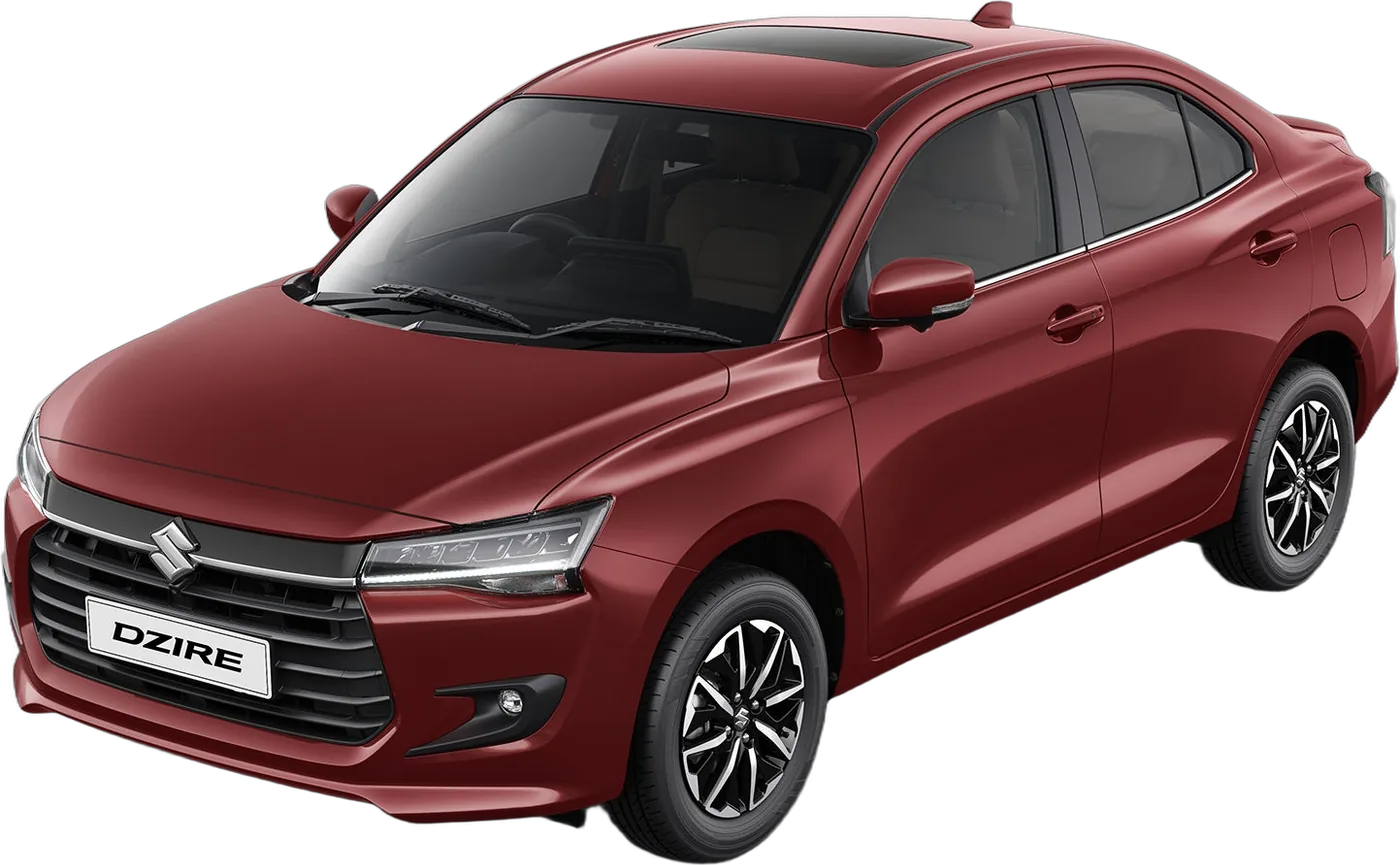
Maruti Suzuki keeps one sedan, the Dzire, a sub-4m compact built for a low cost per kilometre and strong resale. It suits families and fleet buyers who want a proper boot with frugal petrol and CNG options. See the Dzire price, mileage and owner reviews below before you decide.
Maruti Suzuki MUVs
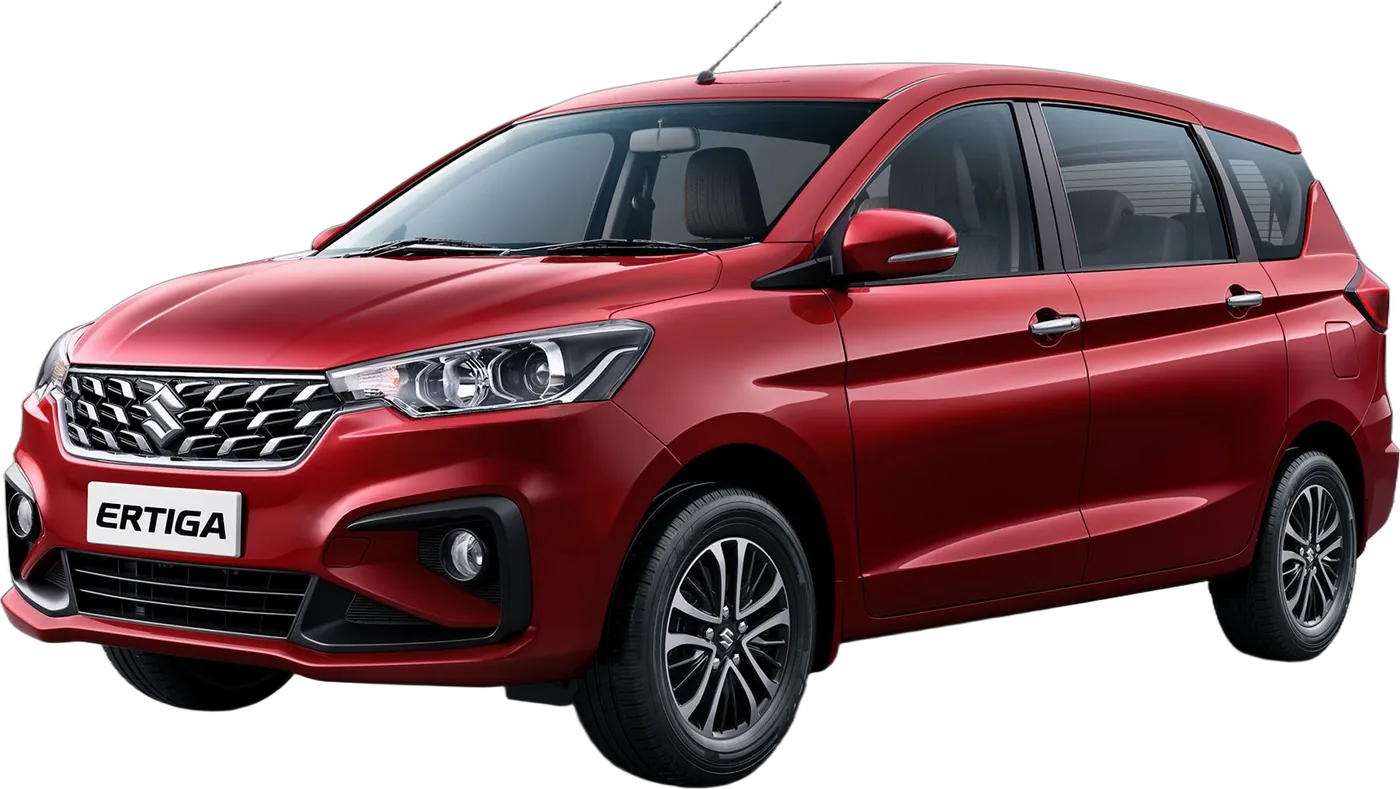
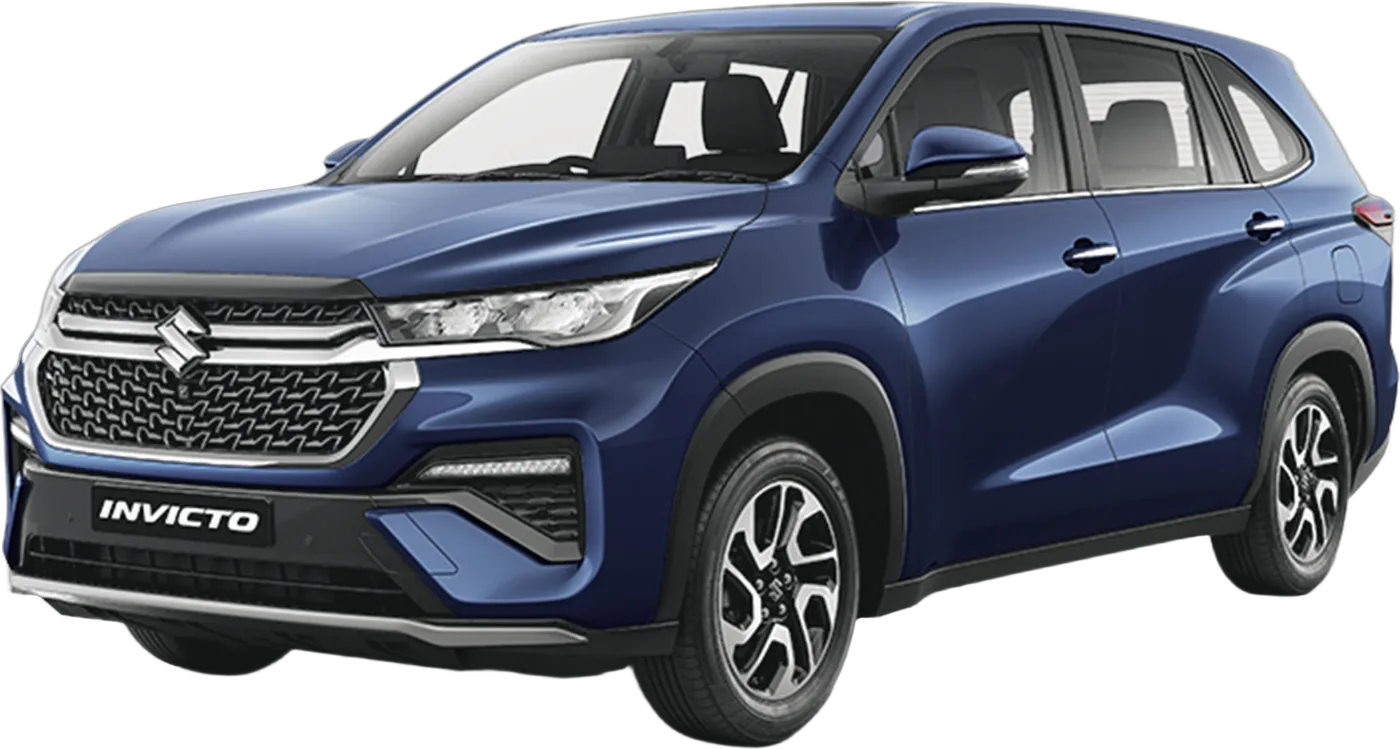
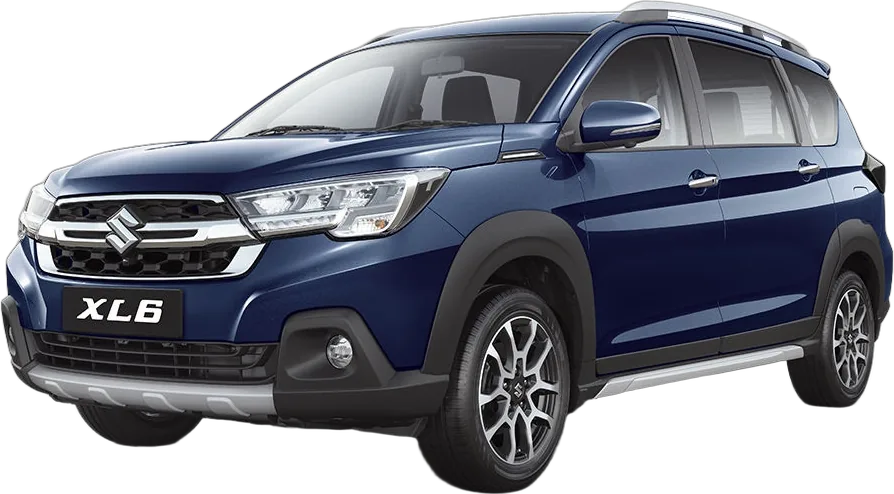
For seven-seat space, Maruti Suzuki offers the value Ertiga, the more premium XL6 and the top-end Invicto with its strong hybrid. All three suit large families who want low running costs and easy servicing across the country. Compare their prices and features below, or read what owners report.
Maruti Suzuki Electric Cars (EV)
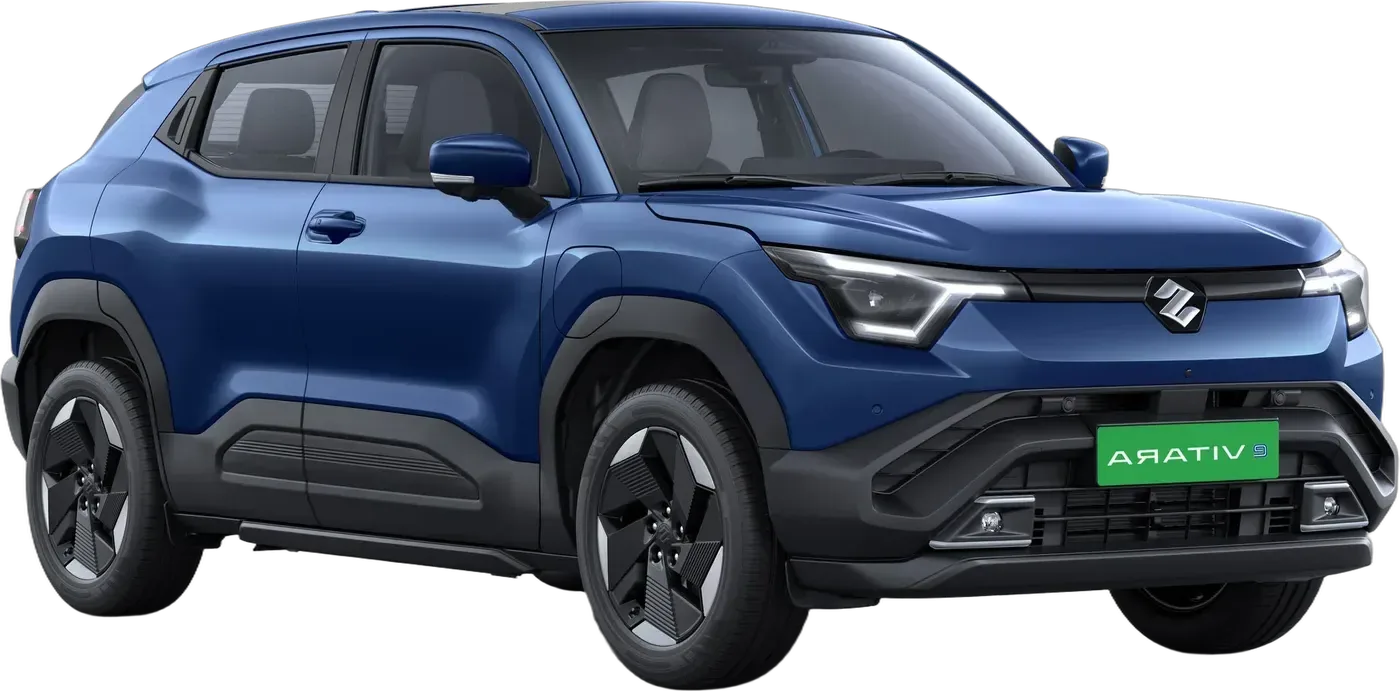
All Maruti Suzuki EVs →Maruti Suzuki's electric story starts with the e-Vitara, its first EV for India. It brings the brand's wide service reach to electric motoring, aimed at buyers who want a familiar badge with a battery. Check the e-Vitara details below, and use the on-road price enquiry to confirm range and charging for your city.
Fresh updates
Maruti Suzuki news
Maruti Suzuki Market Share in India
- Maruti Suzuki41.8%
- Tata14.3%
- Mahindra12.7%
- Hyundai11.9%
- Toyota6.3%
- Kia5.9%
- Škoda + Volkswagen1.9%
- MG1.5%
- Honda1.3%
- Renault0.8%
- Other brands1.6%
Maruti Suzuki is the clear number one in India. In August 2026 it took about 41.8 percent of all passenger vehicles registered, more than the next three brands put together. That scale is the real reason you find a Maruti service point in almost every town, spares stay cheap, and resale value holds firm. For a buyer, a brand this dominant usually means lower running costs and an easier life years down the road.
Source: VAHAN, the government vehicle registration database. Share of India's passenger vehicle market by new-car registrations, August 2026 (3,96,269 units). Figures change over time and are refreshed as new data is published.
Maruti Suzuki cars: frequently asked questions
Does Maruti Suzuki make a diesel car?
No. Maruti Suzuki stopped selling diesel cars in India back in 2020, and nothing in the current range uses diesel. Our team went through every Maruti brochure and price list to confirm it. Each model you can buy today is petrol, and most also add a factory CNG option. A few get a strong hybrid, and the e Vitara is a full electric SUV. So if diesel is a must for your long highway runs, Maruti is not your brand. If the real worry was fuel bills, the CNG and hybrid choices below often beat a diesel on running cost.
Which Maruti Suzuki cars come with a factory CNG option?
Quite a lot of them. From our study of the range, thirteen of Maruti's sixteen models offer a factory fitted S-CNG option. That matters because you get a company warranty and real safety validation that a local aftermarket kit cannot match. It covers the small cars like the Alto K10, S-Presso, Celerio and WagonR, plus the Swift, Baleno and Dzire. You also get CNG on bigger models such as the Brezza, Ertiga, Fronx, XL6, Victoris and even the Grand Vitara. Only the Jimny, the Invicto and the electric e Vitara skip it. For the lowest running cost, pick a CNG car and check its km per kg figure below.
What is the price range of Maruti Suzuki cars in India?
Maruti spans one of the widest price bands of any carmaker here. The range opens with the S-Presso at about 3.5 lakh ex-showroom and climbs to the Invicto at about 28.7 lakh ex-showroom, before on-road costs. In between you get the Swift, Baleno and Dzire in the mid to high single digits. The Brezza runs from about 7.5 lakh to 13.55 lakh, with the Fronx priced a little below it. The Grand Vitara and Victoris stretch into the high teens. On-road prices change by city, since road tax and insurance differ from state to state. Use the on-road price tool on each model page below for a figure for your own city.
Which Maruti SUV should I look at?
Maruti now has a proper SUV ladder, so the right one depends on your budget and your need. The Fronx is the stylish crossover for city buyers, from about 6.9 lakh. The Brezza is the practical compact SUV from about 7.5 lakh, with six airbags on every variant and turbo, CNG and automatic choices. Above them sit two midsize SUVs, the Grand Vitara and the newer Victoris, both offering a strong hybrid that returns close to 28 kmpl. If you want a real off-roader, the Jimny gives you four wheel drive and a low range gearbox. For zero tailpipe emissions, the e Vitara is the electric pick.
What seven seater options does Maruti Suzuki offer?
You have three family options at different price points. The Ertiga is the value seven seater, a petrol or CNG MPV from about 8.9 lakh that is cheap to run and easy to service anywhere. The XL6 is its more premium sibling, with six captain seats rather than seven, for buyers who want a plusher cabin. At the top sits the Invicto, a seven or eight seat strong hybrid from about 25.02 lakh, and the most expensive car Maruti sells. If you mainly want low cost per seat, the Ertiga is the sensible pick. For comfort on long trips, look hard at the Invicto.
Which Maruti car gives the best mileage?
It depends on the fuel you choose. For the best petrol mileage, the strong hybrids lead: the Victoris hybrid is rated at 28.65 kmpl and the Grand Vitara hybrid at 27.97 kmpl. On CNG, the Dzire leads at 36.47 km per kg with the AGS gearbox, followed by the Swift at 35.34 and the Baleno at 34.47. Among regular petrol cars, the AMT versions lead, with the Swift at 26.25 kmpl, the Dzire at 26.13 and the Celerio AGS at 26.00. The electric e Vitara uses no fuel at all, with up to 543 km of range on a full charge.
What is the difference between Maruti Nexa and Arena showrooms?
Maruti sells its cars through two separate retail networks, and which one you visit depends on the model. Arena is the original mass market network, and it stocks the value models most people know, such as the Alto K10, S-Presso, WagonR, Celerio, Swift, Dzire, Brezza and Ertiga. Nexa is the premium network Maruti built for its upmarket cars, and it handles the Baleno, Fronx, XL6, Grand Vitara, Jimny and Invicto. The car costs the same at either network, so pick the showroom that sells the model you want. Each model page below tells you what the car offers before you walk in.
Does Maruti Suzuki sell an electric car in India?
Yes, but only one so far. The e Vitara is Maruti's first full electric car for India, a five seat SUV that shares the brand's wide service network. You can pick a 49 kWh battery rated at about 440 km, or a 61 kWh battery rated at about 543 km on a full charge. The bigger battery charges from 10 to 80 percent in about 45 minutes on a 70 kW fast charger. Pricing starts at about 16.19 lakh ex-showroom. If you want a Maruti EV with the familiar badge and service reach, the e Vitara is the only choice today. Read its full details below.
Is a Maruti Suzuki cheaper to own than other brands?
Usually yes, and there are real reasons behind it. Maruti runs the largest service network in India, so you are rarely far from a workshop, and labour and spare parts tend to cost less than rival brands charge. Resale value is strong too, because demand for used Maruti cars stays high across the country. The factory CNG option on most models cuts your fuel bill sharply if you drive a lot. There is no diesel in the range, so you also avoid the higher service costs a diesel engine brings. Add it up and a Maruti usually costs less to live with over several years than most rivals in its class.