
Tata Tigor Specifications
₹5.70 Lakh to ₹9.10 Lakhex-showroom
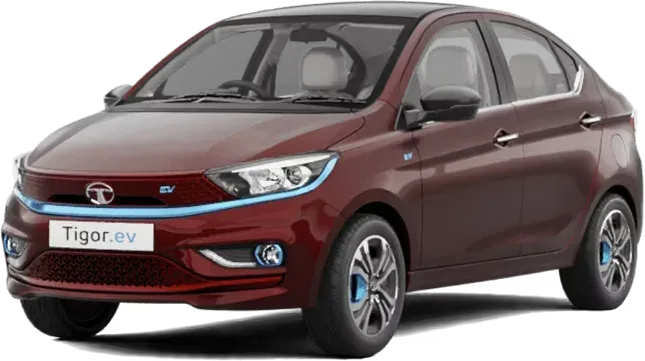
Showing the full spec sheet for the XM. Features this variant does not get are marked NA.
- Engine
- 1.2L Revotron Petrol
- Displacement
- 1199 cc
- Max Power
- 85 bhp @ 6000 rpm
- Max Torque
- 113 Nm @ 3300 rpm
- Transmission
- 5-Speed Manual
- Drive Type
- Front Wheel Drive
- Fuel Type
- Petrol
Tata Tigor power and torque explained
The Tigor uses one 1.2 litre engine offered two ways, as a petrol or as a factory CNG. Both are relaxed, city-minded engines rather than eager revvers.
The petrol is the stronger and keener of the pair, with 113 Nm from 3300 rpm and 86 PS, so it gets moving with less effort. The CNG swaps a little of that pull for much cheaper kilometres, making 96.5 Nm from 3500 rpm and 75 PS. It asks for a few more revs before it feels alive.
How to read this chart. Torque is the push you feel when you accelerate, and it peaks low on the rev range. Power is how hard the engine keeps pulling as it revs higher, and it peaks further up. The two dots mark those peaks. The shaded strip between them is the flexibility band: a wider band pulls easily across more revs and feels relaxed in traffic, while a narrower band asks you to rev the engine more to get its best. Use the buttons above to compare this car's engines.
Peak figures come from the 1.2L Revotron iCNG spec sheet. The line between the two peaks is not a measured dyno curve.
The 1.2 Petrol serves its full 113 Nm at 3300 rpm, low enough that it pulls strongly in traffic even in a higher gear. Peak power of 86 PS arrives at 6000 rpm, and with 2700 rpm between the two peaks, it still has more to give when you stretch it for an overtake. Pick this one if you split your week between city runs and the odd highway trip. When you are close to buying, see the on-road figure for this petrol in your city.
The 1.2 CNG peaks at 96.5 Nm at 3500 rpm, a little higher up and gentler than the petrol, so you drop a gear sooner for a highway overtake. Power is 75 PS at 6000 rpm, and the 2500 rpm span between the peaks is enough for relaxed city and suburban running. Choose it if most of your driving is urban and you want the lowest fuel bills, ideally with the AMT for stop-go traffic. If you are still weighing it up, the full picture on the Tigor as a daily sedan shows where it fits.